The Big Picture
Coordinating specialized AI agents with a clear orchestration layer and standard communication makes complex enterprise workflows faster, cheaper, and more reliable than using one general system.
ON THIS PAGE
The Evidence
Orchestrated collectives of specialized agents (workers, service utilities, and supervisory agents) outperform single, general-purpose agents on complex tasks by splitting work, enforcing policies, and sharing context. A central orchestration layer plans tasks and enforces rules while communication standards let agents call tools and share state safely. Built-in governance and observability (Guardrails Pattern) are essential to prevent errors, trace decisions, and meet compliance. Real-world finance examples show big gains in speed, accuracy, and cost when these pieces are combined.
Not sure where to start?Get personalized recommendations
Data Highlights
1>95% accuracy parsing insurance applications with autonomous agent networks
220× faster loan approval times in a mortgage workflow using document and decision agents
380% reduction in processing costs reported in a mortgage underwriting deployment
What This Means
Engineering teams building enterprise AI should care because modular agents let you scale capability without retraining one huge model; you can swap specialists in and out. Technical leaders evaluating AI investments will value the demonstrated ROI and the clear path to governance and observability needed for regulated domains like finance and healthcare.
Key Figures
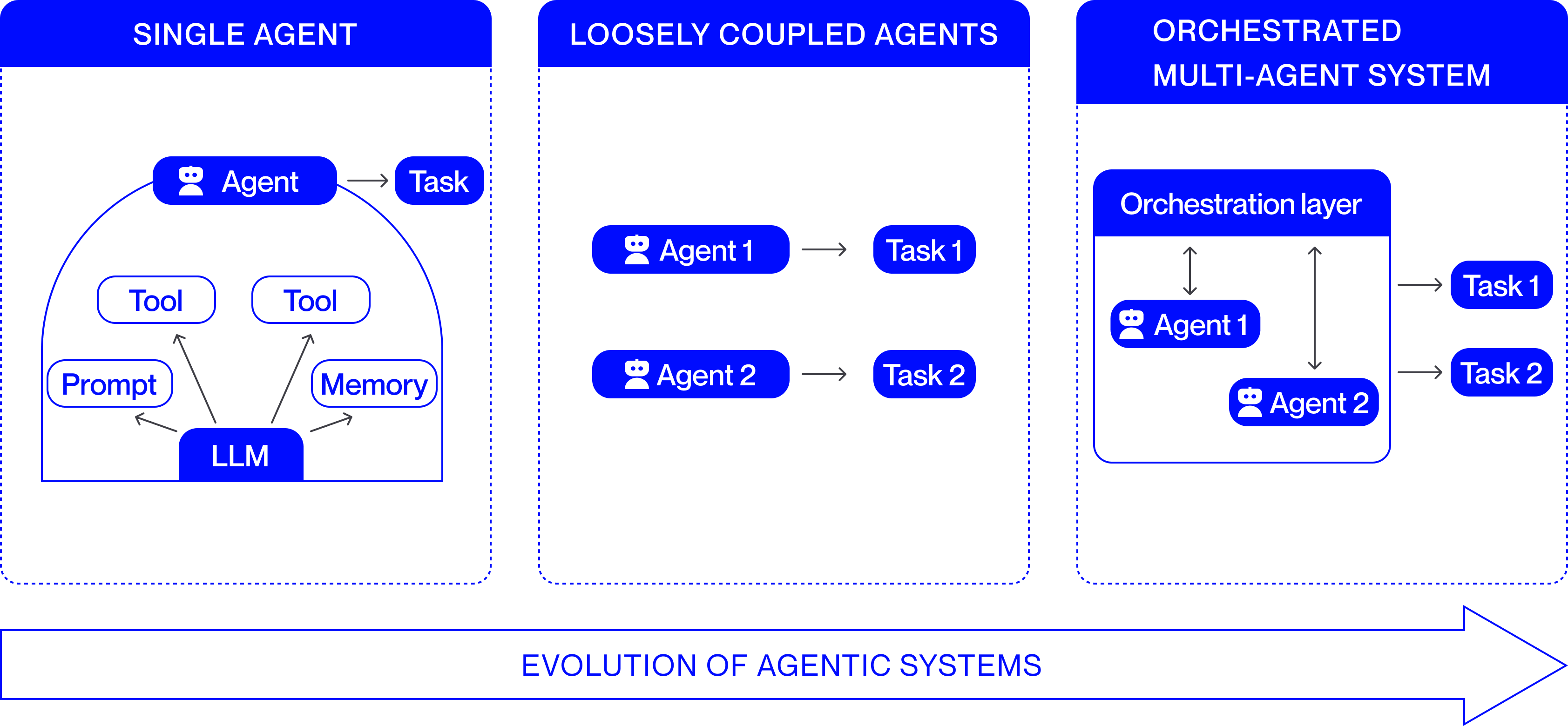
Fig 1: Figure 1: Evolution of Agentic Systems
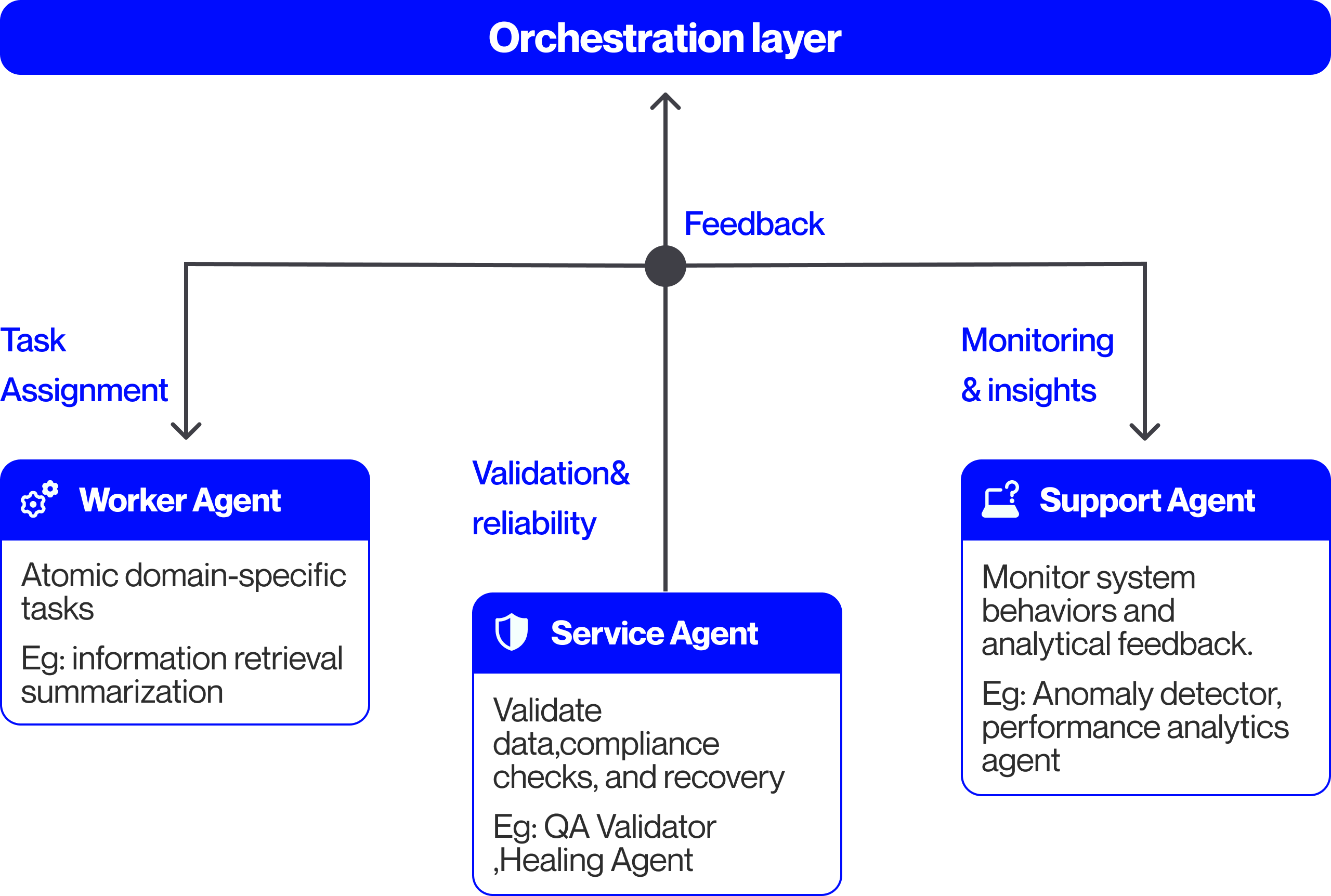
Fig 2: Figure 2: Specialized agents in a Multi-Agent System
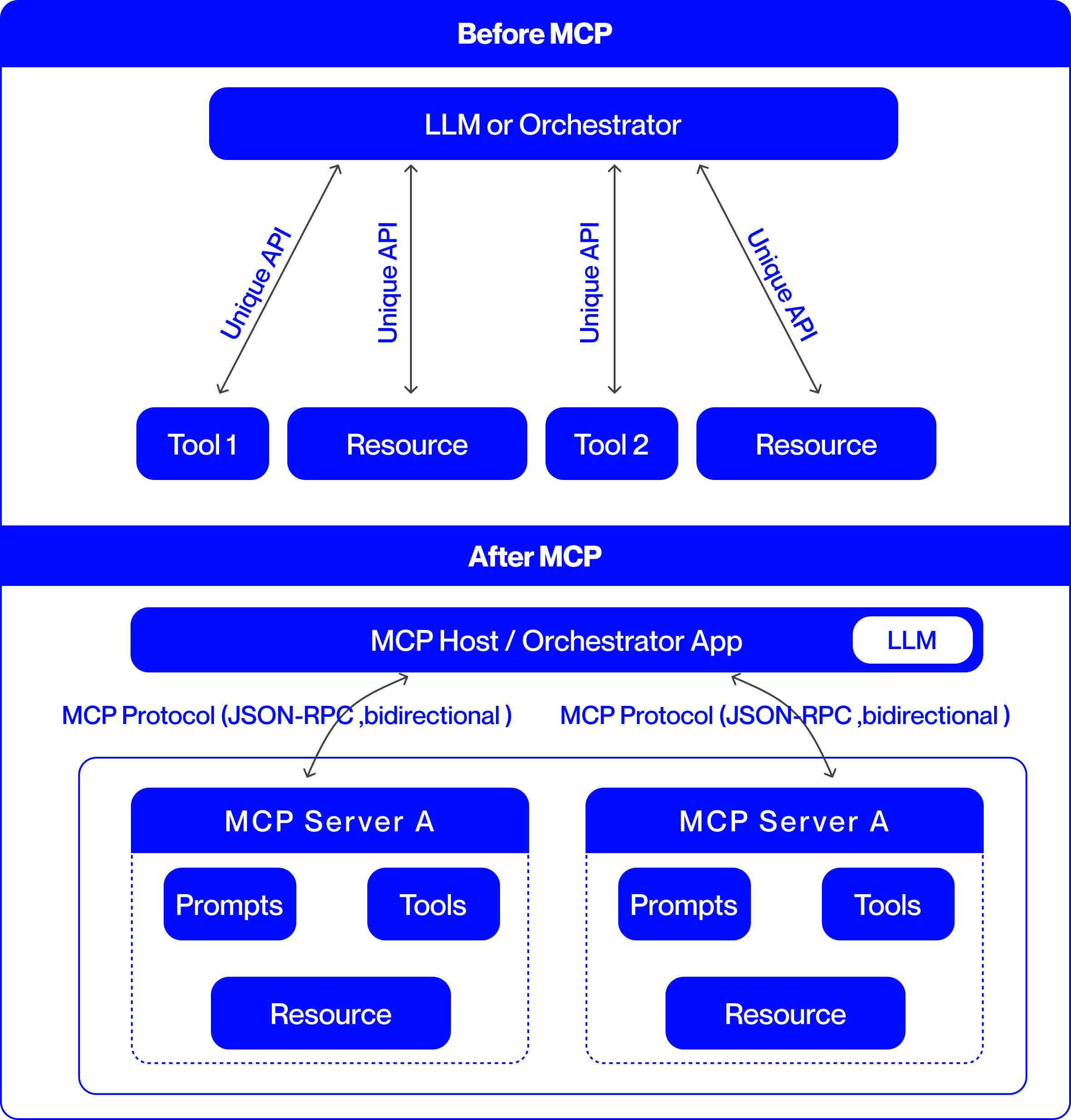
Fig 3: Figure 3: Comparison of agent communication without MCP and with MCP
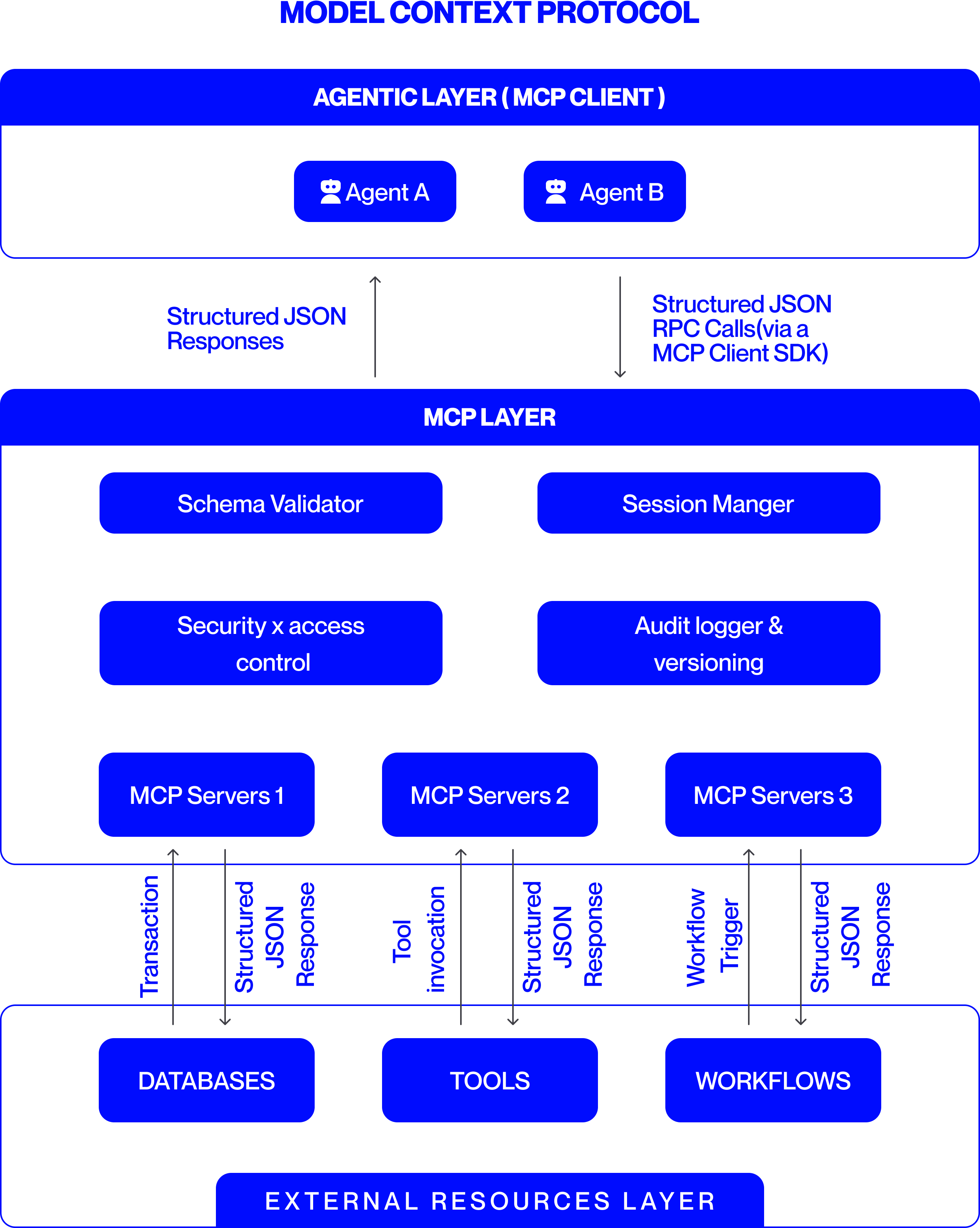
Fig 4: Figure 4: Integration of the MCP within the orchestration architecture
Ready to evaluate your AI agents?
Learn how ReputAgent helps teams build trustworthy AI through systematic evaluation.
Learn MoreKeep in Mind
Coordinating many agents adds communication overhead and potential bottlenecks unless orchestration is carefully designed. Building and running orchestrated systems requires significant engineering effort and ongoing monitoring costs. Multiple agents amplify model risks (hallucination, bias, data leakage), so strong policy, access controls, and continuous evaluation are necessary. (For design guidance, consider Consensus-Based Decision Pattern.)
Methodology & More
Orchestrated multi-agent systems break large tasks into role-specific agents—worker agents that execute domain work, service agents that provide shared utilities (quality checks, recovery), and support agents that monitor and analyze system health. A central orchestration layer decomposes goals into tasks, assigns them, and enforces policy through a planning unit (deciding what to do) and a policy unit (defining how to do it). Communication standards—one for tool and data access and another for agent-to-agent interaction—ensure that calls are schema-checked, authenticated, and auditable so that outputs are consistent and traceable. Central orchestration layer and related governance concepts are crucial as shown in enterprise case studies. Enterprise case studies, especially in banking and insurance, show concrete benefits: high extraction accuracy (>95%), dramatic speedups (20× faster approvals), and major cost cuts (up to 80% lower processing costs). The paper highlights practical guardrails (schema validation, least privilege, logging) and operational tooling (session management, stateful vs stateless agents) as prerequisites for safe deployment. Future work should focus on smarter orchestration (semantic matching of tasks to agents), federated and privacy-preserving knowledge sharing, standardized benchmarks, and open orchestration frameworks to lower the adoption barrier. Capability Attestation Pattern
Avoid common pitfallsLearn what failures to watch for
Credibility Assessment:
Authors lack notable h-index or known affiliations and the paper is an arXiv preprint with no citations — limited evidence of establishment.