The Big Picture
Using multiple role-specific AI agents that form and test hypotheses about failures, then follow code dependencies, finds buggy code far more reliably—often ranking the true fault much higher than prior methods.
ON THIS PAGE
The Evidence
An AI workflow called CogniGent uses six cooperating agents to mimic how developers think: reorganize the report, collect and filter candidates, generate hypotheses, explore code paths that depend on each other, and validate evidence. It walks the program call graph (Click2Cause traversal) and keeps only relevant context to avoid confusion, so it can track bugs that spread across multiple files. Compared to prior text-matching and recent agentic methods, CogniGent raises the chance of returning the real buggy component near the top of the result list by large margins across standard metrics.
Data Highlights
123.33%–38.57% improvement in Mean Average Precision (MAP) at the document and method levels versus baselines
225.14%–53.74% improvement in Mean Reciprocal Rank (MRR) across the same levels
3Evaluation used 591 real bug reports from 15 Java projects (132 versions)
What This Means
Engineers building code-search or automated debugging tools can use hypothesis-driven agent pipelines to find faults that span multiple files. Technical leads evaluating AI assistants should note the method’s stronger ranking of true faults, which can reduce time spent hunting for elusive bugs. Researchers can build on the dependency-aware traversal and context management ideas to improve multi-file bug detection.
Not sure where to start?Get personalized recommendations
Key Figures
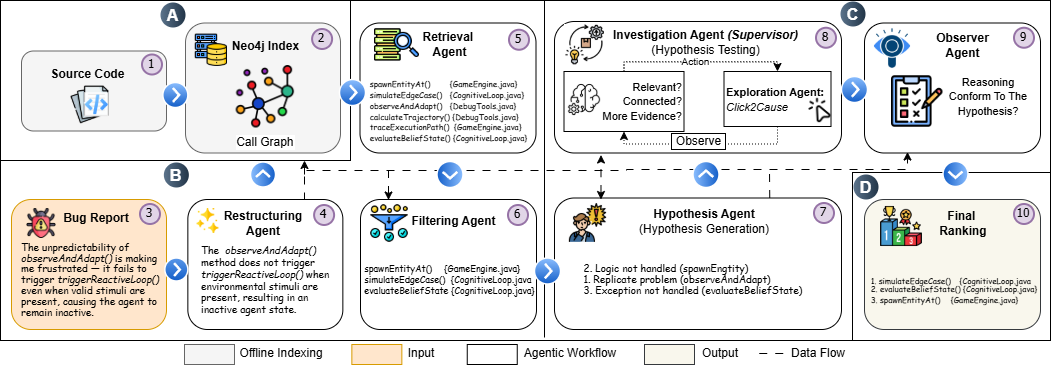
Fig 1: Figure 2. Schematic Diagram of CogniGent : (A) Graph-Based Indexing of Source Code, (B) Retrieving and Filtering Documents, (C) Dynamic Cognitive Debugging, (D) Final Ranking.
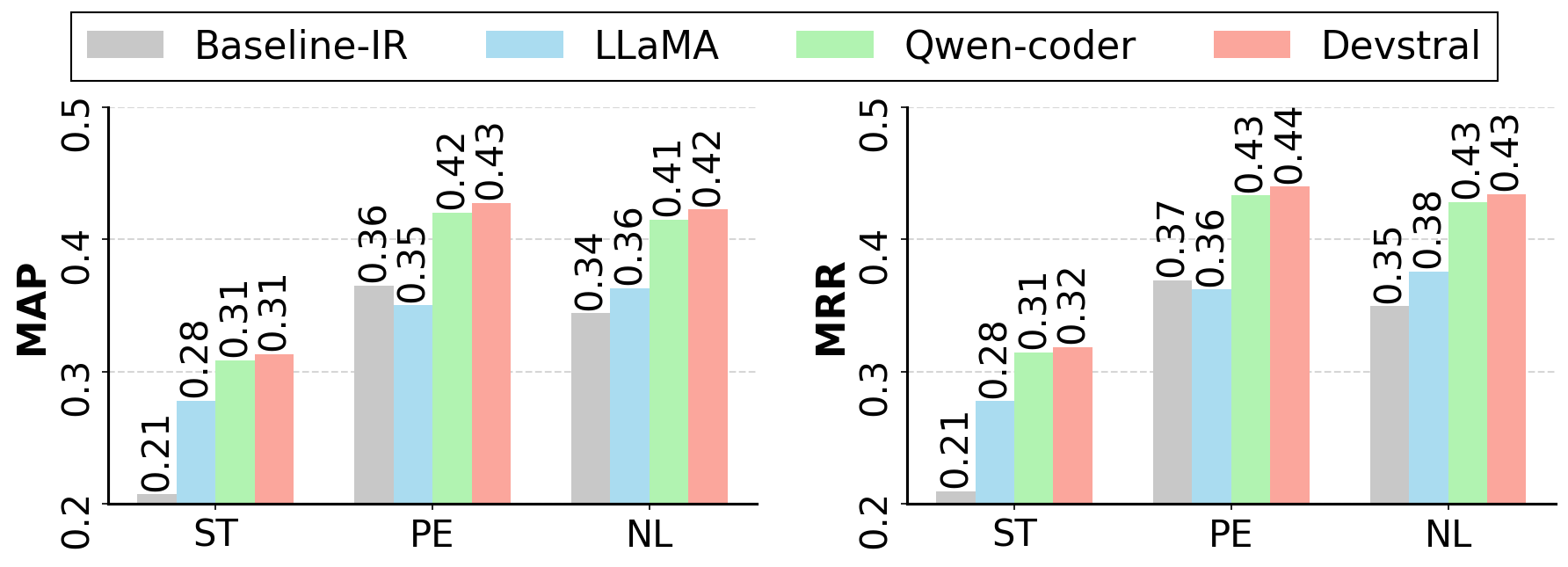
Fig 2: Figure 3. CogniGent’s Localization Performance Across Three Bug Types
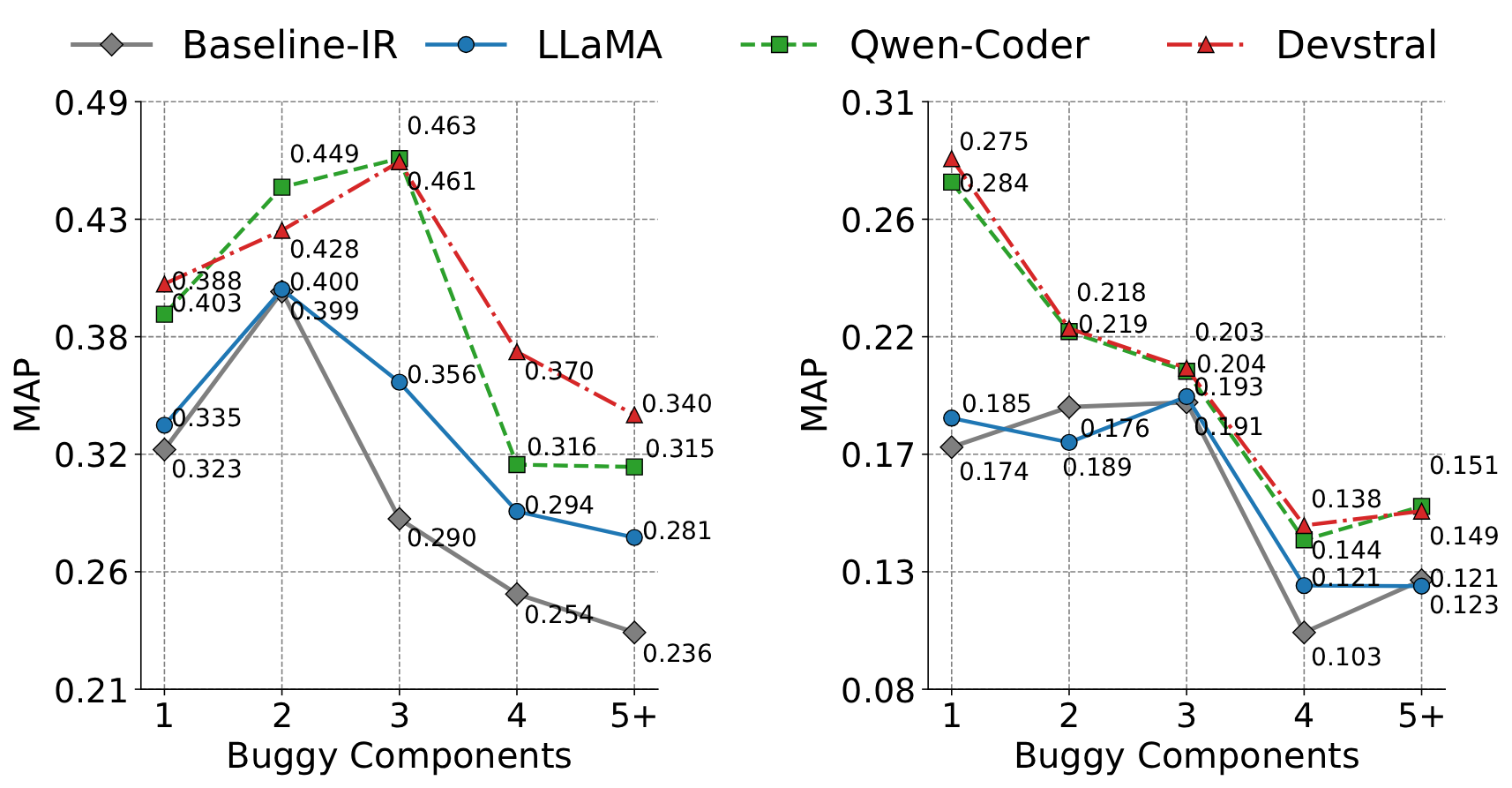
Fig 3: Figure 4. Performance Across Single vs. Multi-Component Bugs
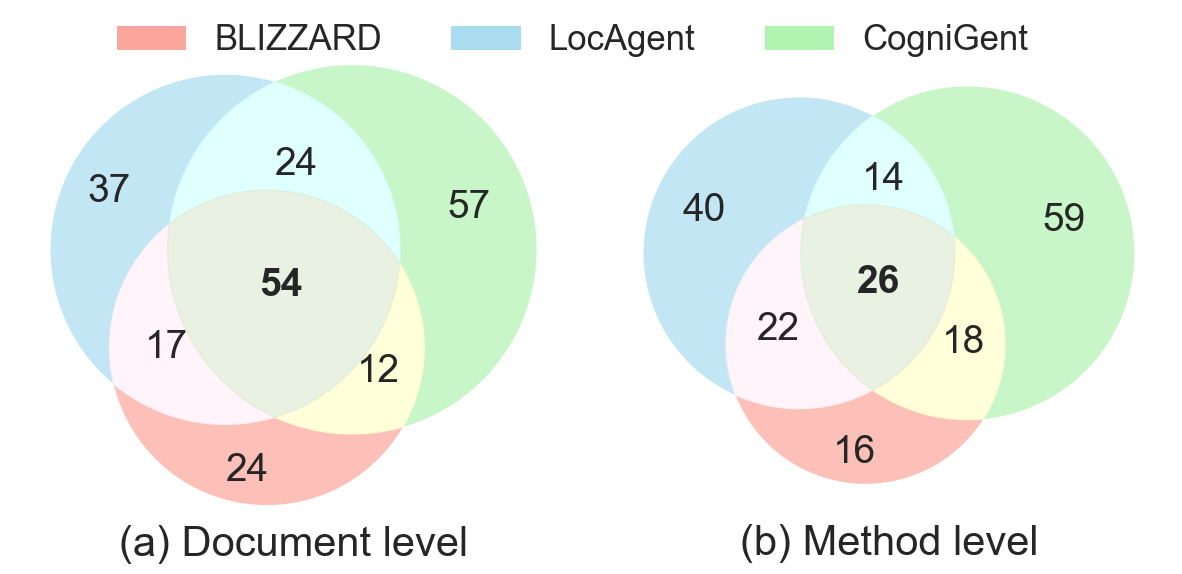
Fig 4: Figure 5. Coverage of Buggy Components Localized within Top-5 Across All Multi-Component Bugs
Ready to evaluate your AI agents?
Learn how ReputAgent helps teams build trustworthy AI through systematic evaluation.
Learn MoreConsiderations
Results come from Java projects only, so language- or ecosystem-specific quirks may change outcomes elsewhere. Performance and cost depend on the choice and size of underlying language models and on accurate repository/version snapshots. The approach relies on a call graph and repository indexing—projects with missing or highly dynamic codepaths could limit effectiveness. See also dependency-aware traversal and context management.
Methodology & More
CogniGent runs a pipeline of six specialized AI agents that copy how developers debug: turn a noisy bug report into a focused query, retrieve likely code candidates, filter out noise, propose root-cause hypotheses, and then investigate by following real code dependencies. Investigation uses Click2Cause, a depth-first traversal of the call graph, and a scratchpad-style context manager to keep each agent’s working memory tight. An observer agent scores explored chains of code and evidence against the hypotheses and produces a ranked list of suspicious methods or files. On a curated set of 591 recent bug reports, CogniGent significantly outperformed both traditional text-matching methods and prior agent-driven tools, improving average precision and ranking metrics by large margins. The approach is especially helpful when bug reports lack explicit code mentions or when faults propagate across multiple components. Practical next steps include testing across other languages, optimizing model/cost tradeoffs, and pipeline into developer tools so engineers get ranked, evidence-backed leads instead of long manual searches.
Avoid common pitfallsLearn what failures to watch for
Credibility Assessment:
Authors have low h-index and no prominent affiliations listed; arXiv preprint.